Music & AI
Nile Rodgers defends AI-made video for charity 'The Christmas Song'
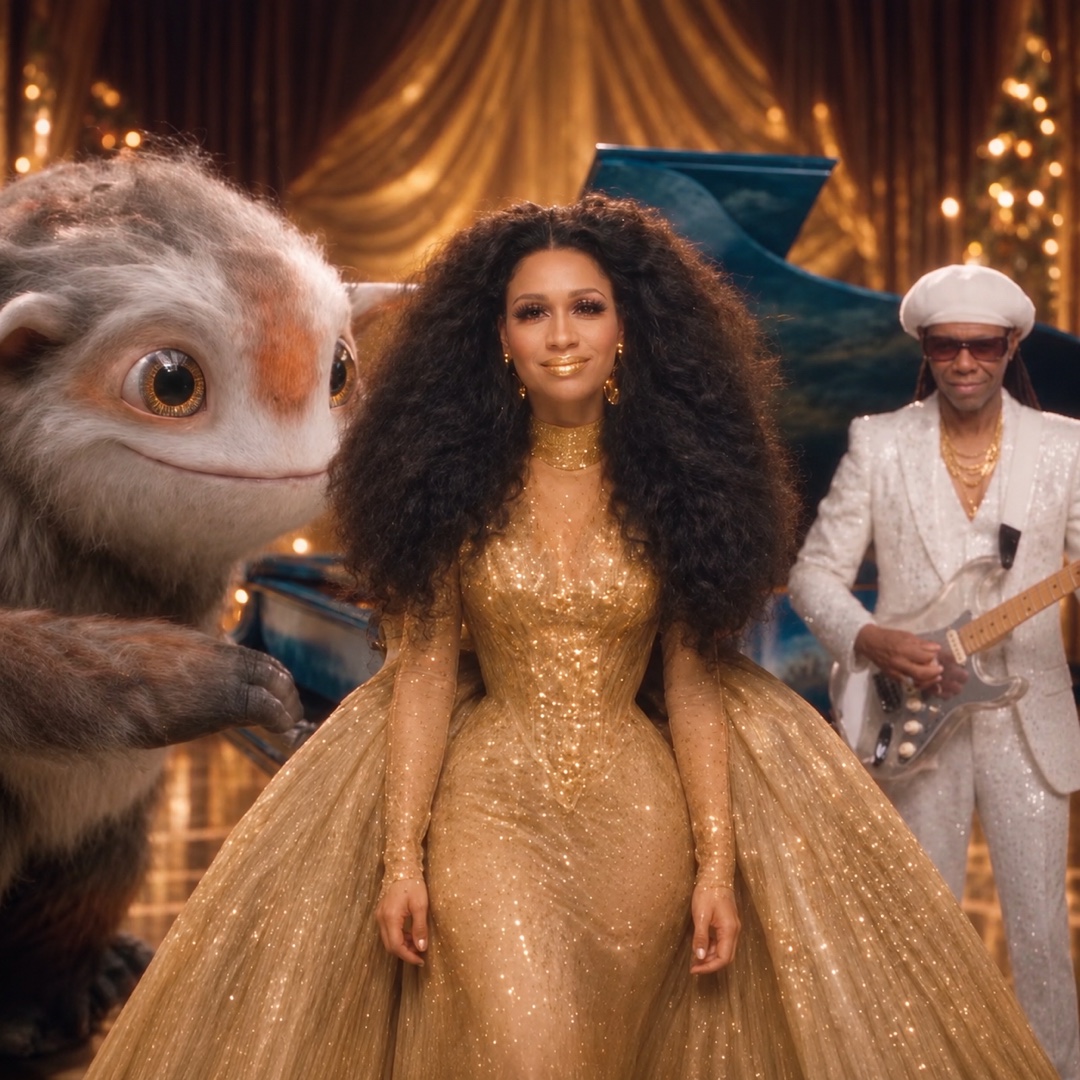
Criticised by fans after sharing an AI-generated still, the Chic founder says his team wrote every idea and the machine executed it, at a fraction of a traditional shoot's cost.
Nile Rodgers has answered fans who objected to his use of generative AI for the video of a new version of "The Christmas Song", the charity recording he released in 2020 with Rebecca Ferguson. After he shared on Instagram what Rolling Stone describes as an "AI capture" from the clip, the producer and Chic co-founder replied to commenters that the creative work was human. "The AI did what we told it to do and we painstakingly created every second you'll see on the screen," he wrote, as quoted by Stereogum.
In replies quoted by Consequence and Rolling Stone, Rodgers said his team produced the mood boards and storyboards themselves, "the same way we'd do a film", and that a traditional film would have cost about 100,000 dollars. He presented the video as a holiday project for children who are "bedridden and ill". Rolling Stone and Consequence report that the finished video is targeted for 20 November.
The argument he is making
Rodgers went further than a defence of one project. According to Rolling Stone, he called it "somewhat hypocritical" to declare oneself anti-AI while relying on the technology every day, and pointed to his own history of working with Microsoft and Apple; Consequence quotes him telling critics "You're being hypocritical". His position is consistent with a 2024 Euronews interview in which, as Rolling Stone recalls, he described using AI for artistic self-expression as "fantastic".
The distinction he draws, between authorship of the idea and execution by software, is the same one at the centre of current disputes over AI in music. Here, though, the AI is being used for the visuals, not the music: nothing in the report suggests the recording itself involves generative audio.
Why the backlash is news
Rodgers is not a peripheral voice. As co-writer and producer of records for Chic, Diana Ross, David Bowie, Madonna and Daft Punk, he carries weight with musicians and with the club audiences who revere his guitar playing. Fan resistance to AI imagery has hit other artists' artwork and videos over the past year; what changes with Rodgers is that a widely respected producer is openly arguing the economic case for it, on a project framed as charitable.
That economic case is the uncomfortable part for the people whose work is replaced. A $100,000 budget for a music video represents directors, camera crews, animators and editors. Rodgers' answer is that the creative direction stayed human; the counter-argument from fans is about who no longer gets hired. The finished video has not yet been released and no AI tools have been named, so the extent of AI use, and how it will be credited, cannot yet be assessed.