Artists
Rochelle Fleming: the voice behind generations of dancefloors
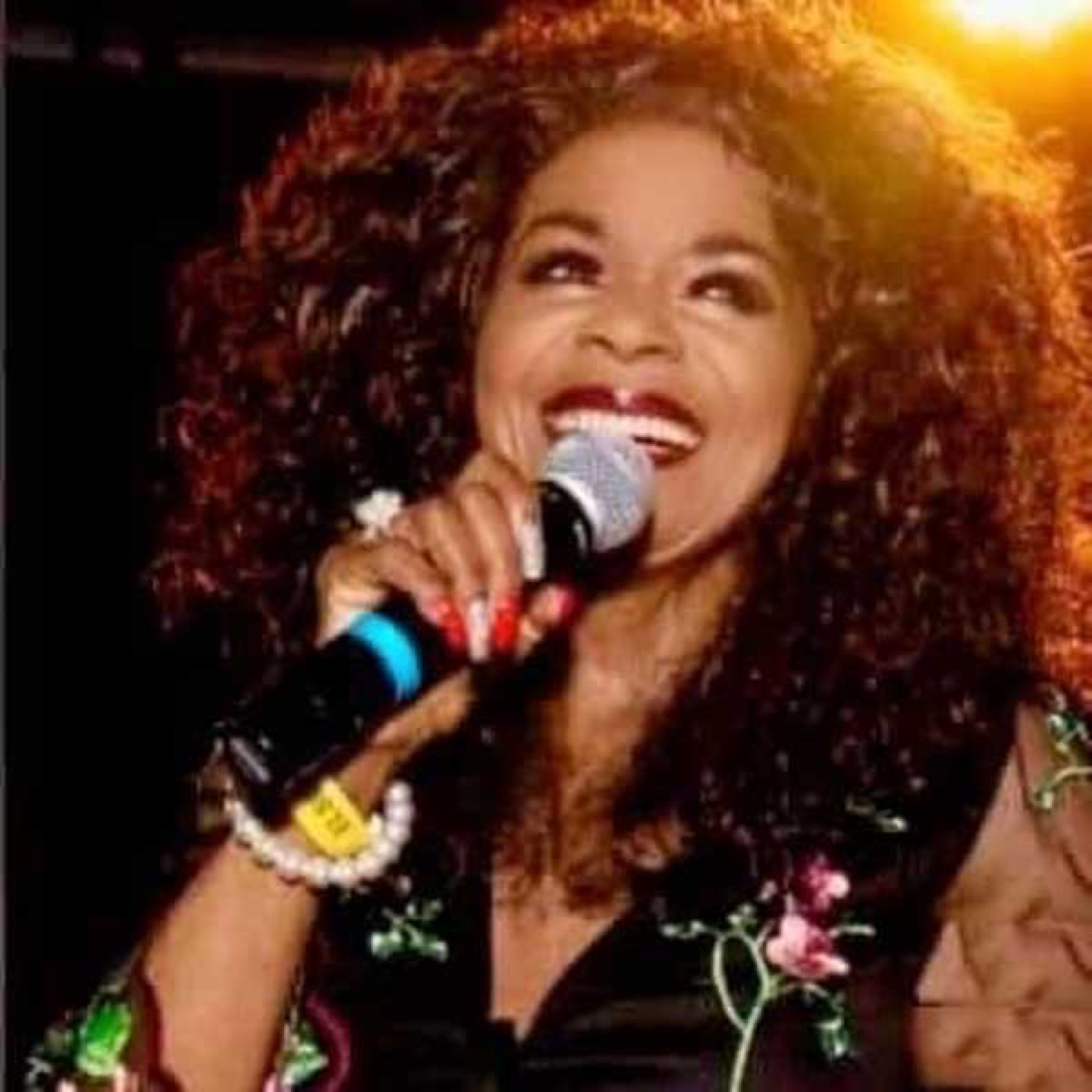
Rochelle Fleming. Promotional portrait: T-Best Talent Agency.
Rochelle Fleming-Finney, the defining voice of Philadelphia soul trio First Choice and a foundational presence in dance music, died in Philadelphia on 5 November 2026, according to Soundee’s report, which cites an announcement by her manager, George “Iz” Correia, on behalf of the Fleming/Finney family.
For listeners who knew every turn of her voice, the loss will feel close. For others, recognition may arrive with a record: a spoken phrase, an impatient cry, a vocal break heard across years of nights out. Fleming’s performances travelled far beyond the sleeves that first carried her name. Remembering her means bringing that name back into focus.
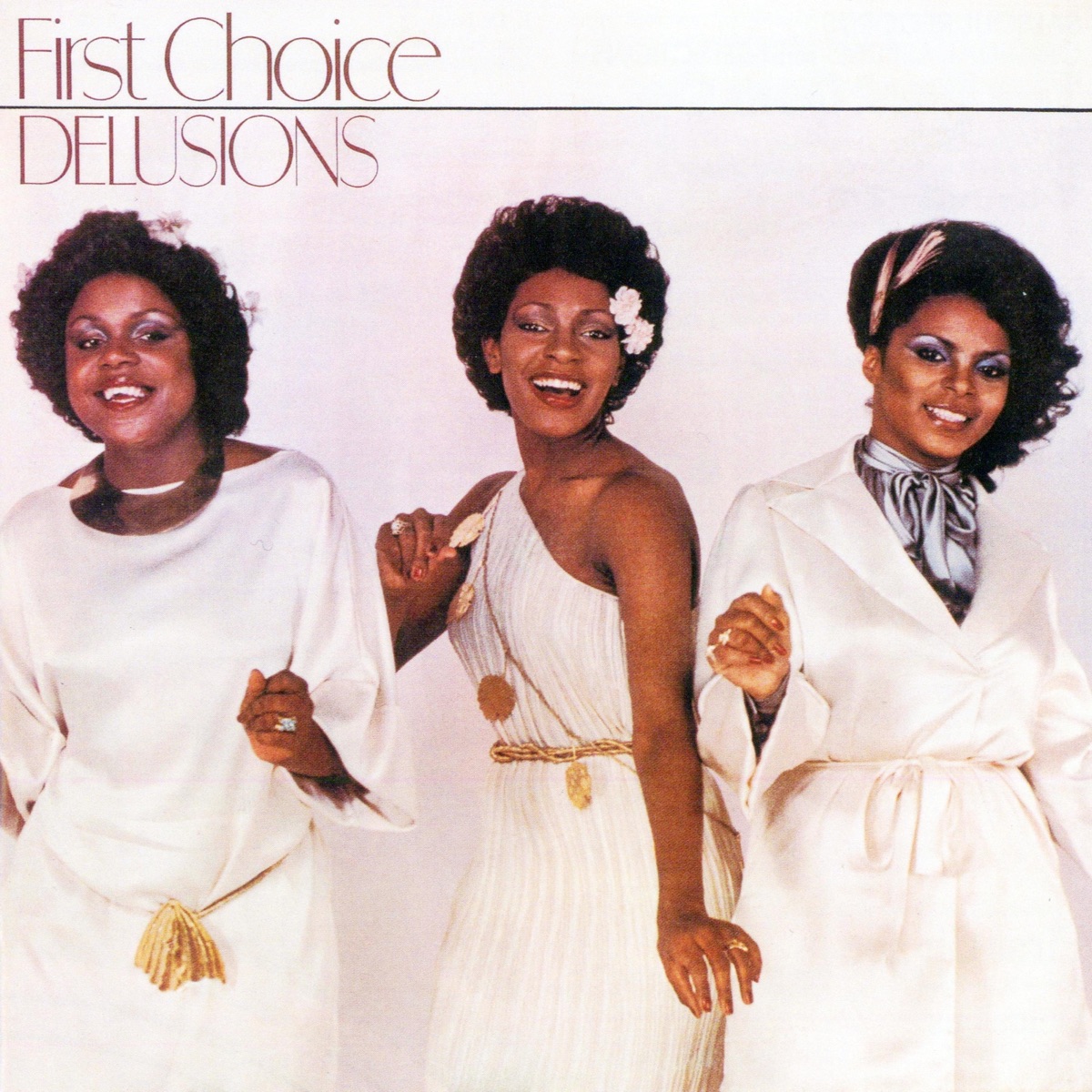
Philadelphia, with feeling
First Choice emerged from Philadelphia’s vocal-group tradition, with Fleming giving songs such as “Armed and Extremely Dangerous”, “Smarty Pants” and “The Player” their urgency and character. Working with Norman Harris and the musicians around the city’s soul scene, the group made records whose sophistication never softened their emotional directness.
“Doctor Love”, from the 1977 album Delusions, captures that balance. The arrangement has poise; Fleming brings appetite, confidence and movement. Her singing makes the song feel addressed to someone in the room. It is a quality worth listening for again, beyond the familiarity of the title.
The performance that kept finding new lives
“Let No Man Put Asunder” became a crucial connection between disco and house. Its history includes the work of Frankie Knuckles and Shep Pettibone, whose remixes helped carry the recording into new dancefloor contexts. At the centre remained Fleming’s performance: sung, spoken and released in bursts of extraordinary conviction.
In a 2025 interview with GO BANG! Magazine, Fleming explained that the famous spoken passage grew from her own improvisation. Harris would put her in the booth and encourage her to take over. What later generations encountered as isolated vocal fragments began as an artist making spontaneous decisions in a studio.
That distinction matters. Sampling can make a singer’s presence almost universal while leaving her identity out of view. A few seconds survive, acquire another rhythm and reach another audience. Fleming’s voice became part of the shared vocabulary of club music; the original performances deserve the same attention as the records they inspired.
A voice heard across generations
She belongs among dance music’s most extensively sampled voices. Her influence can be heard in the recurring use of First Choice vocals, and in the way producers have treated those recordings as living material, bringing her phrasing to audiences far removed from the original sessions.
The reach extends beyond familiar disco and house narratives. In its interview with RP Boo, Bandcamp Daily identifies “Let No Man Put Asunder” among the samples he returned to throughout his career. That connection to footwork offers another way of hearing Fleming’s legacy: a performance from Philadelphia continuing to work inside a radically different rhythmic language.
Still making records, still making connections
Fleming’s own recording career continued alongside that afterlife. “Love Itch”, “Danger!” and “Suffer! (The Consequences)” belong in the account, as do her later collaborations. Teddy Douglas and the Basement Boys brought her into “I’m Gonna Give It to You” and “Nobody’s Fool”; Joe T Vannelli worked with her on “Get It On (Summer Love)”. These were encounters with a working singer who continued to have something to say.
“Balls 2 Bounce”, released by Mirror Ball Recordings in July 2025, paired her with Chicago producer Terry Hunter. Its credits place Fleming on lead and background vocals. In the accompanying release notes, the song is presented as a statement of self-worth and resolve — fitting territory for a singer whose authority could be felt in the shape of a single phrase.
Remember the woman behind the voice
Her relationship with LGBTQ+ audiences also belongs at the heart of this story. Her agency biography records her recognition of the community’s sustained support and her appearances at HIV/AIDS awareness events. Behind the records was a relationship with people who returned to hear her, supported her work and made room for it in their lives.
The most meaningful tribute is to listen with that person in mind. Follow a sample back to its source. Stay for the whole song. Hear the timing, humour and emotional intelligence that made other musicians want to return to her voice.
Rochelle Fleming helped give generations of dancers a language for desire, defiance and belonging. Her name deserves to travel with every echo.