Club culture
London mayor Sadiq Khan gains power to decide on club licences
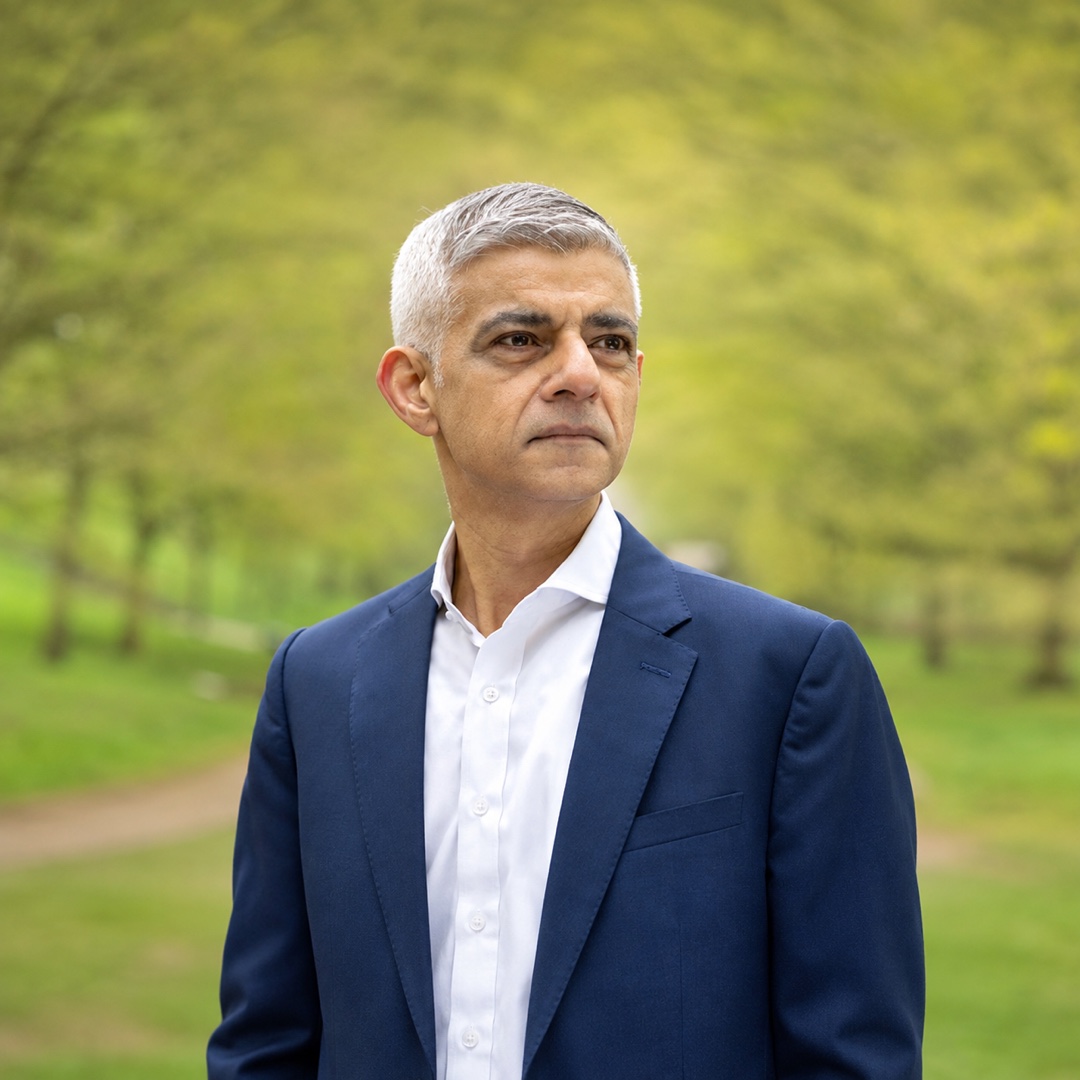
Since 3 November the mayor can call in licence applications considered strategic: large venues, live music, extended hours, festivals. It is the first time a British mayor has held such a power.
Since 3 November the Mayor of London has been able to take direct charge of licence applications for venues, events and festivals deemed of strategic importance to the city, and decide on them in place of the borough councils. The UK government has granted Sadiq Khan a "call-in" power, that is, the ability to take over an application himself. According to the Greater London Authority's press release, it is the first time a mayor in the United Kingdom can decide directly on a licence application. Khan announced it on 3 November during a visit to Blue Note London, as Resident Advisor notes. Khan called it the start of a new era for London's nightlife.
What changes in practice
Until now, licences to sell alcohol and provide entertainment were decided only by local authorities, the boroughs, the city's administrative districts. The press release lists examples of applications the mayor will be able to call in: large venues, live music, extended opening hours, major events and festivals. The criterion is their importance to London's economy and to its reputation as a global city. The mayor steps in after the local decision and determines whether to approve the application. Other changes are coming too. Councils will have to consult the mayor when reviewing their own licensing policies. City Hall will receive all licence applications and will be able to submit formal representations to the relevant committees. The four objectives of licensing law remain unchanged: the prevention of crime and disorder, public safety, the prevention of public nuisance and the protection of children. Residents' right to be heard and the right of appeal also remain.
The press release gives no capacity thresholds, procedures or timescales for the call-in. How it will actually work will therefore become clear from the first cases. In 2026 the mayor also put out to consultation a draft single licensing policy for the whole of London. The final text is expected by the end of the year.
A long road
The idea dates back to April 2025, when the Labour government presented it as a measure for the hospitality sector. According to the PA news agency, as reported by the Irish News, the mechanism could later be extended to other areas such as Greater Manchester and the West Midlands. There was criticism even then. The Conservative opposition accused the government of hypocrisy. Westminster City Council, the country's largest licensing authority, maintained that it already approves most applications. In recent months, Mixmag notes, Khan has clashed with Westminster itself over plans to block new venues in the busiest parts of central London. Before that, he had criticised a Soho residents' group that wanted to stop all new licences for bars and restaurants.
Who is applauding
The press release gathers support from industry bodies. Mark Davyd, founder of the Music Venue Trust, describes it as a significant step forward for live music. Michael Kill of the Night Time Industries Association argues that fragmented procedures have held back investment. City Hall values London's nightlife at more than £21 billion a year. For clubs and promoters, the test will come with the first contested applications, when it will become clear whether the new power serves to protect smaller venues or mainly large projects.