Club culture
Macao: a book to archive Milan's occupied space
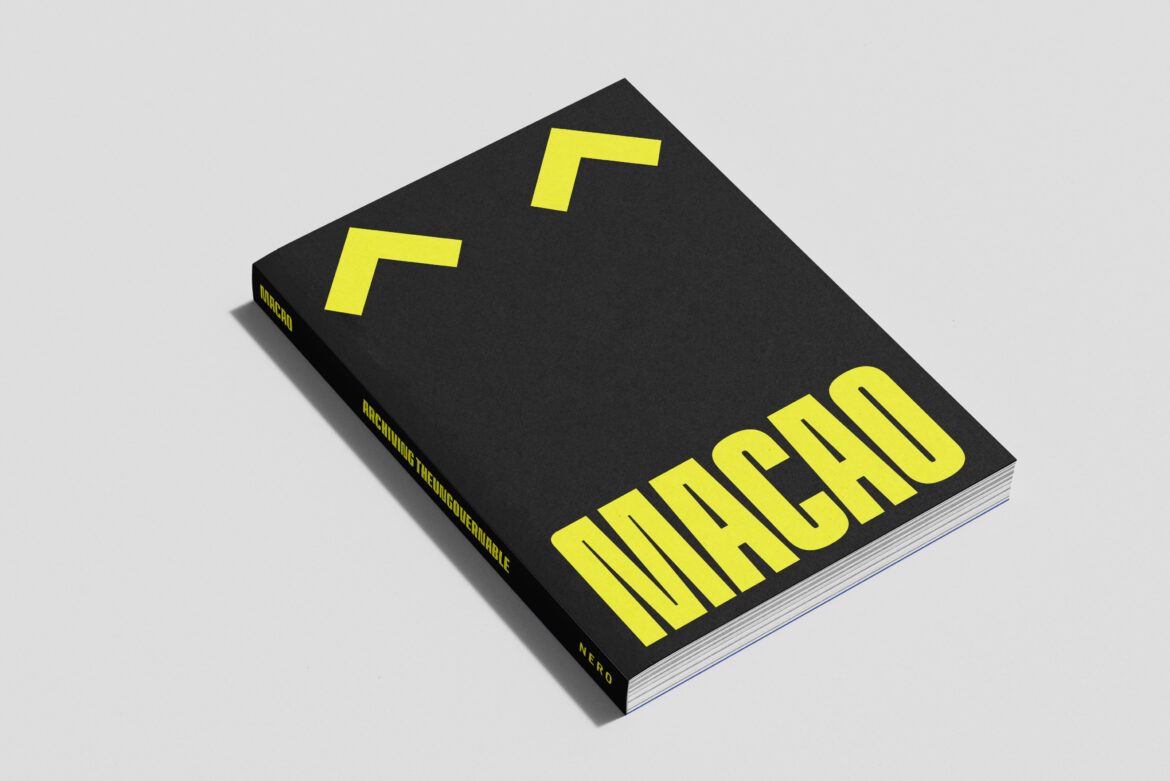
Nero Editions publishes "Archiving the Ungovernable": 336 pages of images, manifestos and essays on Macao, from Torre Galfa to the former slaughterhouse on Viale Molise. Pre-ordered copies will arrive by 14 December.
Macao, the self-managed space that since 2012 has been one of the hubs of Milan's experimental scene and independent clubbing, tells its own story in a book. Titled Archiving the Ungovernable, it is published by Nero Editions and available for pre-order at €30 from the publisher's website. The publisher guarantees delivery of copies by 14 December. The news was reported by Resident Advisor.
What's inside
According to the publisher's listing, the volume has 336 pages in 21 x 28 cm format (ISBN 978-88-8056-368-6). It has no single editor: it was prepared by an editorial collective made up of people from different generations and working groups of Macao's assembly. It gathers images, manifestos, essays and statements. The story starts with the occupation of Torre Galfa and runs through the years in the former slaughterhouse on Viale Molise. Nero places the experience within the decade of the movements for the commons: it cites the Italian Forum of Water Movements and Occupy, and sets it alongside projects such as Isola Art Center, Teatro Valle Occupato and Sale Docks. The publisher stresses that the book does not claim to fix that experience in a definitive form. The aim is to put an archive of practices and ideas back into circulation.
The product listing gives English as the language. RA, however, writes that the book will be published in Italian and English. At present there is no dedicated page for an Italian edition.
Why it matters for the scene
For clubgoers, Macao was not just a place for political debate. RA recalls that the space, opened without permits in an abandoned former slaughterhouse, quickly became a reference point for the city's underground and experimental scene. It hosted nights such as Dance Affliction and festivals such as Saturnalia. It was a place where people danced outside the economic model of the commercial club, in a space that, in the publisher's description, was at once a cultural centre, a political assembly and a laboratory of self-organisation.
Its institutional history was bumpier. In 2017, RA recalls, Macao had tried to buy the building from its owners, and then sought recognition as a cultural institution. Again according to RA, the space formally closed in 2021, and since then the organisation has been working to reopen it in various forms.
An archive as spaces shrink
The book arrives as other independent spaces in Milan are fighting to stay open: Tempio del Futuro Perduto, for example, secured the renewal of its concession until 2030 in January 2025 only after a public campaign, as DJ Mag reported. Putting Macao's materials in order also means preserving the memory of the methods (assembly, self-management, shared programming) that allowed a scene to exist outside the market.
No public presentations have been announced so far. The book can be pre-ordered from the Nero Editions website.