Suno Spotlight
Apple pushes back on Suno subpoena as fight moves to Boston court
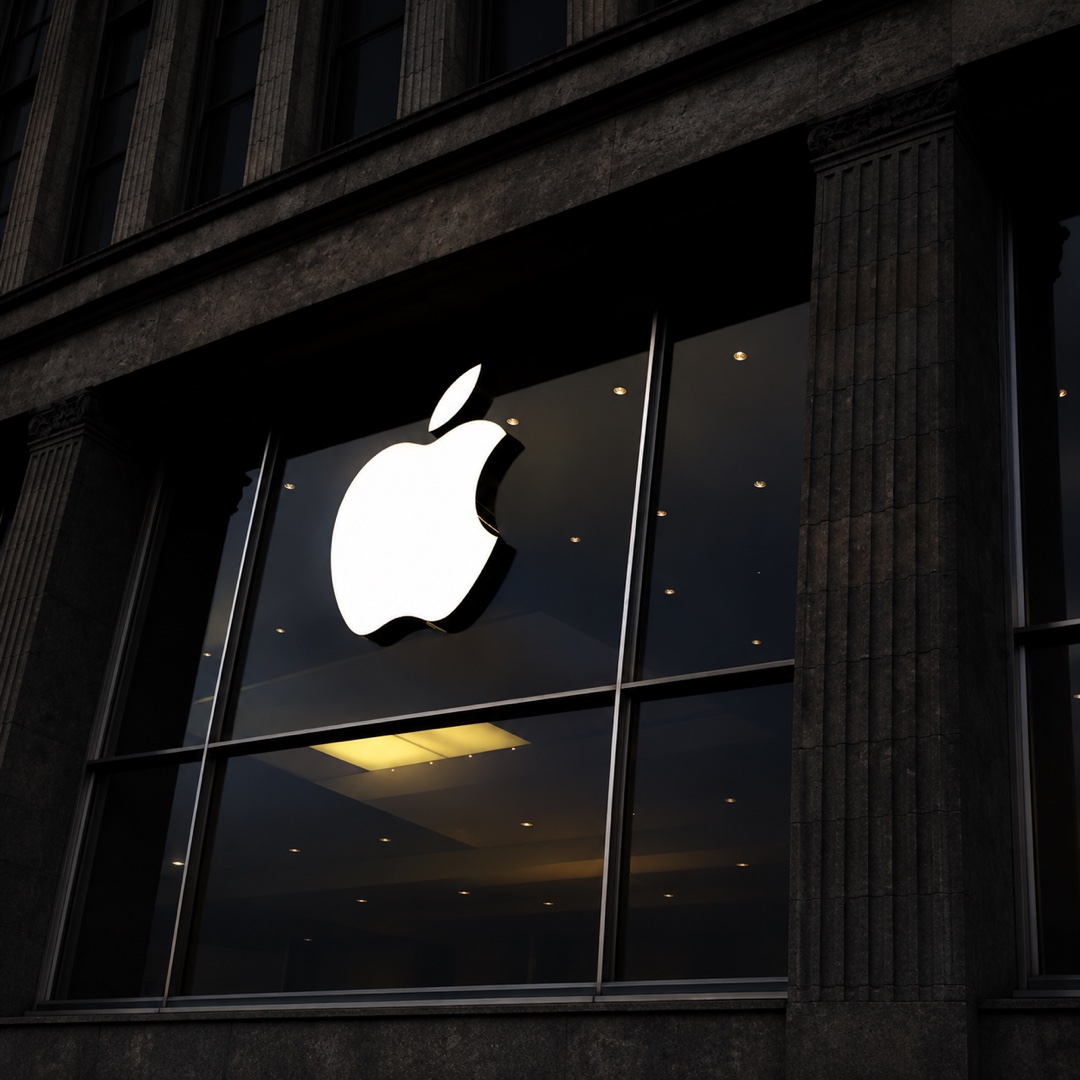
Apple has filed a reply opposing Suno's demand to depose it about Apple Music's label negotiations, and the dispute has been transferred to Massachusetts, where the Universal and Sony case against Suno is heard.
Apple has doubled down on its refusal to sit for a deposition requested by Suno, and the dispute is now headed to the federal court in Massachusetts that hears the copyright case brought by Universal Music Group and Sony Music against the AI music company. According to Digital Music News, Apple filed a reply on 3 November 2026 in support of its motion to quash the subpoena, which it had first filed on 13 October in the Northern District of California, and on 4 November the magistrate judge handling the motion transferred it to Massachusetts, a move Apple did not oppose.
This is a follow-up to SOUND EE's earlier coverage of Suno's discovery requests to DistroKid, the MLC and Apple. What is new is Apple's reply brief and the transfer, which places the decision in the hands of the court managing the main case, before Judge F. Dennis Saylor IV in Boston.
What Suno wants to know
Suno is seeking testimony on Apple Music's licensing talks with Universal and Sony, including whether they involve an "anti-dilution arrangement" for the royalty pool, an idea that would protect label payouts from being diluted by AI-generated tracks; on the long-term viability of Apple Music without the plaintiffs' catalogues; and on communications between Apple, the labels and the RIAA about the lawsuit. The aim is to support a copyright-misuse defence: Suno argues the majors use the leverage of their catalogues to extract anti-AI concessions from streaming services.
Apple's answer
Apple's reply, as quoted by Digital Music News, makes four points. It says it has already answered six subpoenas in the past year, involving more than 90 emails and over ten conferrals, and that "the time has come to set a limit" on third-party discovery. It argues that questions about an anti-dilution clause would yield only "speculation about a deal that does not exist". It says misuse "turns on Plaintiffs' conduct", not on Apple's view of their catalogues. And it warns that disclosure would hand its bargaining positions "to the very counterparty across the table", since a protective order cannot guarantee confidentiality at trial.
The stakes reach beyond Suno. If the Boston court allows the deposition, the private terms on which streaming platforms are negotiating with labels over AI-generated music could become evidence in the case. Suno has made similar arguments in its requests to the MLC and DistroKid, which SOUND EE covered earlier.
No new hearing date has been reported. The California motion, filed as case 5:26-mc-80303, had been calendared for 1 December before the transfer, according to the AI Musicpreneur newsletter, which follows the docket. Rule 45 of the federal civil procedure rules allows a subpoena dispute to be sent to the court hearing the main case when the subpoenaed party consents, as Apple did here.