Club culture
London's BBE Store faces a licence review after residents' complaints

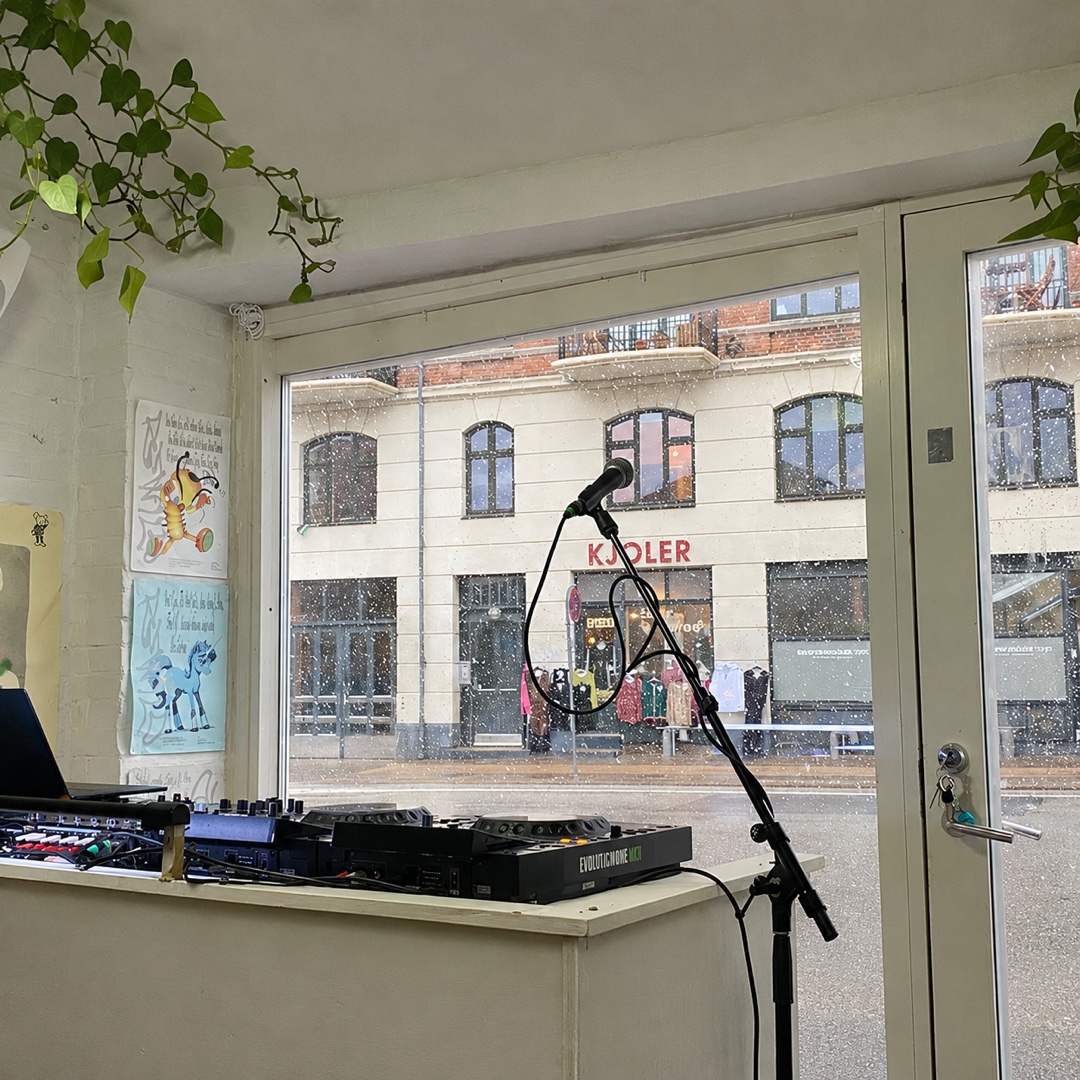
The record shop and free events space run by the established black music label faces complaints from a neighbouring residential development. Representations have closed and a petition has passed 13,000 signatures.
The future of BBE Store, a record shop and free events space on Helmsley Place near London Fields, will be decided by Hackney Council's licensing committee. The deadline for representations on the licence review closed on 23 October. On 26 October, Hackney Citizen identified the applicant as law firm Dadds LLP, acting for Fabrik Residents, the development opposite the shop built after the pandemic. The application cites two statutory licensing objectives: preventing crime and disorder, and preventing public nuisance.
A label founded in 1996, a shop opened in 2016
BBE stands for Barely Breaking Even, an independent black music label founded in 1996. It has operated its shop and events on the industrial street since 2016. In its appeal of 16 October, the label said it had worked with the council to install noise limiters and acoustic curtains. Noise limiters reduce a sound system's volume when it exceeds a set threshold. Complaints nevertheless continued, and BBE said it could see no possible compromise. Director Peter Adarkwah told Hackney Citizen that some complaints referred to days and times when the shop was closed. He also said there had been no police or council visits over opening-hours breaches, and that a nearby restaurant operating later had not been affected. These are claims from one side of the dispute: none of the residents spoke to the publications consulted.
The cost of sharing a neighbourhood
Time Out reported that BBE had already stopped its Tuesday, Wednesday and Sunday evening openings. Adarkwah estimated a loss of around £20,000 a month. Responding to both publications, the council said it had taken no action to close the shop. It said it was legally required to consider every licence-review application and would assess representations alongside direct evidence. A petition on 38 Degrees had reached around 13,500 signatures, while a GoFundMe campaign for legal costs was close to its £20,000 target.
The agent-of-change principle put to the test
The case tests the agent-of-change principle. Under this approach, a newcomer to an already noisy area—for example, a residential developer building beside a venue—is responsible for paying for noise mitigation. Hackney Citizen notes that the principle entered national planning guidance in July 2018 and Hackney's local plan in 2020. Permission for this development, however, dates from May 2018. The principle also applies primarily to planning decisions rather than licence reviews of this kind.
What to watch next: the licensing committee hearing. Hackney publishes agendas and decisions on the council's ModernGov portal. The hearing is open to the public and will determine whether the review results in new conditions or revocation.
Tags: London, Hackney, licensing, record shops, agent of change, black music.