Artists
Kneecap, the voice that remains: language, rave and belonging
Inside the sound of Kneecap
Ten official tracks. Opening with Palestine featuring Fawzi, in the new 3D remix released on 28 October 2026.
Palestine (3D Remix)
Availability and listening limits depend on the platform. Bandcamp plays do not contribute to the SOUND EE chart.
Open this selection in the SOUND EE player ↗From Belfast to the world, Mo Chara, Móglaí Bap and DJ Próvaí transform language, memory and belonging into rap and rave culture. Inside FENIAN, the songs to listen to and the new Palestine remix by 3D, published on October 28th in Life Support.
There is one thing about Kneecap that interests me even before the provocation: the need to make space with one's voice. I think about how much it can weigh on being asked, openly or out of habit, to make yourself more understandable to others. Change accent. Choose another language. Smoothing out what disturbs. The trio born in Belfast brings this tension into a music that seeks the body: rap, electronic, irreverence, the desire to be together. The question it leaves me with is an intimate one: how much of ourselves are we willing to translate to be accepted?
Three people behind the name
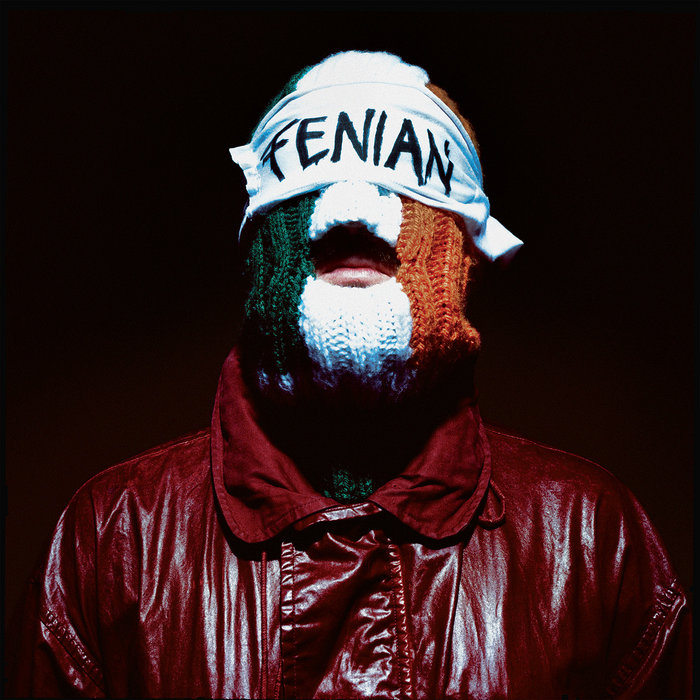
Kneecap takes shape in 2017. They are Mo Chara, Liam Óg Ó hAnnaidh; Móglaí Bap, Naoise Ó Cairealláin; and DJ Próvaí, JJ Ó Dochartaigh. The first two are from west Belfast; Try it from Derry. They rap in Irish and English, and the DJ's tricolor balaclava has become their most recognizable sign.
But the origin that I find most significant is a community: in their interviews they talk about evenings, music and meetings around the Cultúrlann, Belfast's cultural centre. Young people who spoke Irish and needed words for their contemporary lives. “C.E.A.R.T.A.”, the debut single of 2017, was born from the story of an episode linked to a graffiti for linguistic rights; cearta means rights. The language is already a political choice, but also a language of friends, jokes and nights out.
Here I feel something that surpasses Ireland. I think of the family words that we stop using, of the dialects that make us feel ashamed at school, of the names mangled for convenience. They are not experiences equivalent to Irish history. However, they can open a small door to empathy: understanding why a word, said out loud, sometimes means much more than its meaning.
From the first recordings to Fine Art
The path passes from 3CAG, the 2018 mixtape, to Fine Art, released on June 14, 2024. Toddla T's production accompanies a meeting between hip-hop and rave culture, with openings towards other musical languages. The album and the soundtrack of the film of the same name belong to the same year, but are distinct releases.
“Better Way to Live”, with Grian Chatten of Fontaines D.C., is the gateway I would choose for those who fear finding only aggression. The title contains a question that I feel close to: how do you live better when the place you come from accompanies you everywhere? “Sick in the Head” and “Fine Art” instead serve to meet the more brazen side of the group, the one that claims the right to be uncomfortable and funny in the same sentence.
Substances, excesses and ferocious humor recur in their imagination. I read this dimension as part of the story of an environment, with its complicities and contradictions. I'm interested when the party suggests a need for relief; I am less convinced by the idea that every excess must automatically become a liberating gesture. It is also this space of friction that makes the group interesting.
The film and the risk of confusing narrative and biography
In 2024 comes Kneecap, directed by Rich Peppiatt, with the three musicians playing themselves and Michael Fassbender in the cast. It's a fictionalized origin story, shot through with invention and comedy: to take it as a literal chronicle of their lives would be to miss the point. Wins the Audience Award in the NEXT section at Sundance 2024; in 2025 Peppiatt receives the BAFTA for best debut by a British screenwriter, director or producer.
I'm intrigued by the fact that a language often chronicled through its preservation becomes material for irreverent comedy. Even being able to laugh at yourself is a form of freedom. A living culture must be able to contain the ridicule, desire and mistakes of the people who inhabit it.
FENIAN and the space of vulnerability
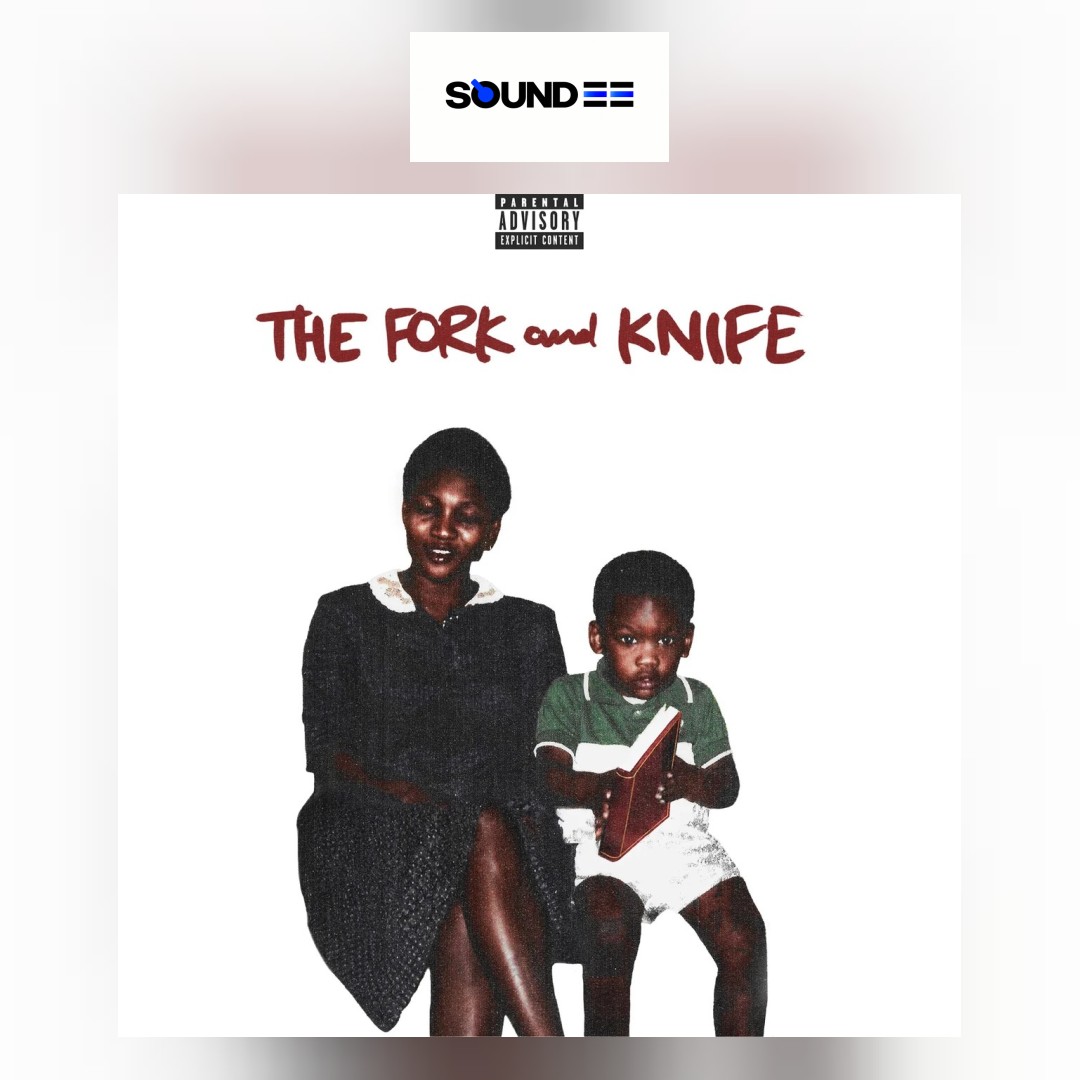
FENIAN was released on May 1, 2026, via Heavenly Recordings, produced by Dan Carey. The Apple Music catalog contains 14 songs for approximately 42 minutes. The label describes an expansion of sound research towards acid house, trip-hop and dubstep.
Among the songs to be highlighted are “Smugglers & Scholars”, “Liars Tale”, “FENIAN” and “Palestine” with Fawzi. They are titles that allow us to follow historical memory, satire and solidarity through different forms. For me the risk, faced with such a politically exposed group, is to read each song only as a statement. I prefer to also leave a musical question open: what changes when an idea has to find rhythm, a guest voice, a chorus?
The emotional point of the portrait, however, is “Irish Goodbye” with Kae Tempest. Móglaí Bap wrote it for her missing mother. In the story published by the label, the origin is a rediscovered family film: seeing his mother in motion, happy, after having mostly kept photographs of her. The song is accompanied by a twelve-minute short film directed by Thomas James.
This image remains with me more than the balaclava: a person who finds for an instant the movement of someone he has lost. There is an enormous distance between recognizing a face in a photograph and seeing it live again. That's where the portrait of Kneecap becomes, for me, more human. Behind public safety there remains someone who must find words for an absence.
Politics and the responsibility of words
Defense of the Irish language and solidarity with Palestine are central to their public presence. The group explicitly speaks of anti-imperialist and anti-fascist positions; the relationship with Palestinian initiatives precedes the explosion of international notoriety.
This portrait must also include controversies. Mo Chara was accused of displaying a flag in support of Hezbollah, an organization banned in the UK, during a London concert in November 2024. The proceeding was declared invalid in September 2025 for procedural reasons; on 11 March 2026 the High Court rejected the prosecution's appeal. There was no trial on the merits of the disputed conduct.
The empathy I seek in music leaves room for judgment. I can recognize the need to belong expressed by an artist and continue to question his images, the words he chooses, the consequences they can have. The most interesting closeness, for me, preserves this freedom.
News until October 29, 2026
The most recent new feature identified is “Palestine featuring Fawzi 3D Remix”, on the Life Support soundtrack, released on October 28, 2026 for Battle Box. Robert Del Naja of Massive Attack, alias 3D, curated the project together with the producers of Daniele Rugo's documentary. Profits from the vinyl edition go to the Health Workers 4 Palestine fund.
Also worth adding are “Smugglers & Scholars” with Killer Mike, released on May 27, and “Cold At The Top” in the Shanti Celeste remix, released on June 25. Tom Morello's album Everyone Gets Everything They Want arrived on September 25, 2026, including “Unconquered” with Kneecap. The first vinyl edition of 3CAG is dated on the same day: a new edition of the 2018 mixtape.
Among the upcoming Italian dates reported on the calendar linked to the group's Bandcamp include Milan, Alcatraz, on November 24, and Florence, Teatro Cartiere Carrara, on November 25, 2026.
A listening journey
I would start with Better Way to Live, go back to C.E.A.R.T.A., then move on to Sick in the Head, Smugglers & Scholars, FENIAN, and Palestine. I would keep Irish Goodbye for a time when I could give it some attention. The new remix of Palestine would finally open the path towards Life Support and the other voices that inhabit it.
What I'm looking for in Kneecap is this possibility: listening to people who want to remain recognizable to themselves, even when they become visible to everyone. They can irritate me, intrigue me, make me argue. Then comes the story of a mother found in an old film, and the distance shortens. The public voice lets a private loss pass. It's the point in their world where I would choose to stop again.