Synthesizers & drum machines
LXR-02: Erica Synths opens up its drum machine code
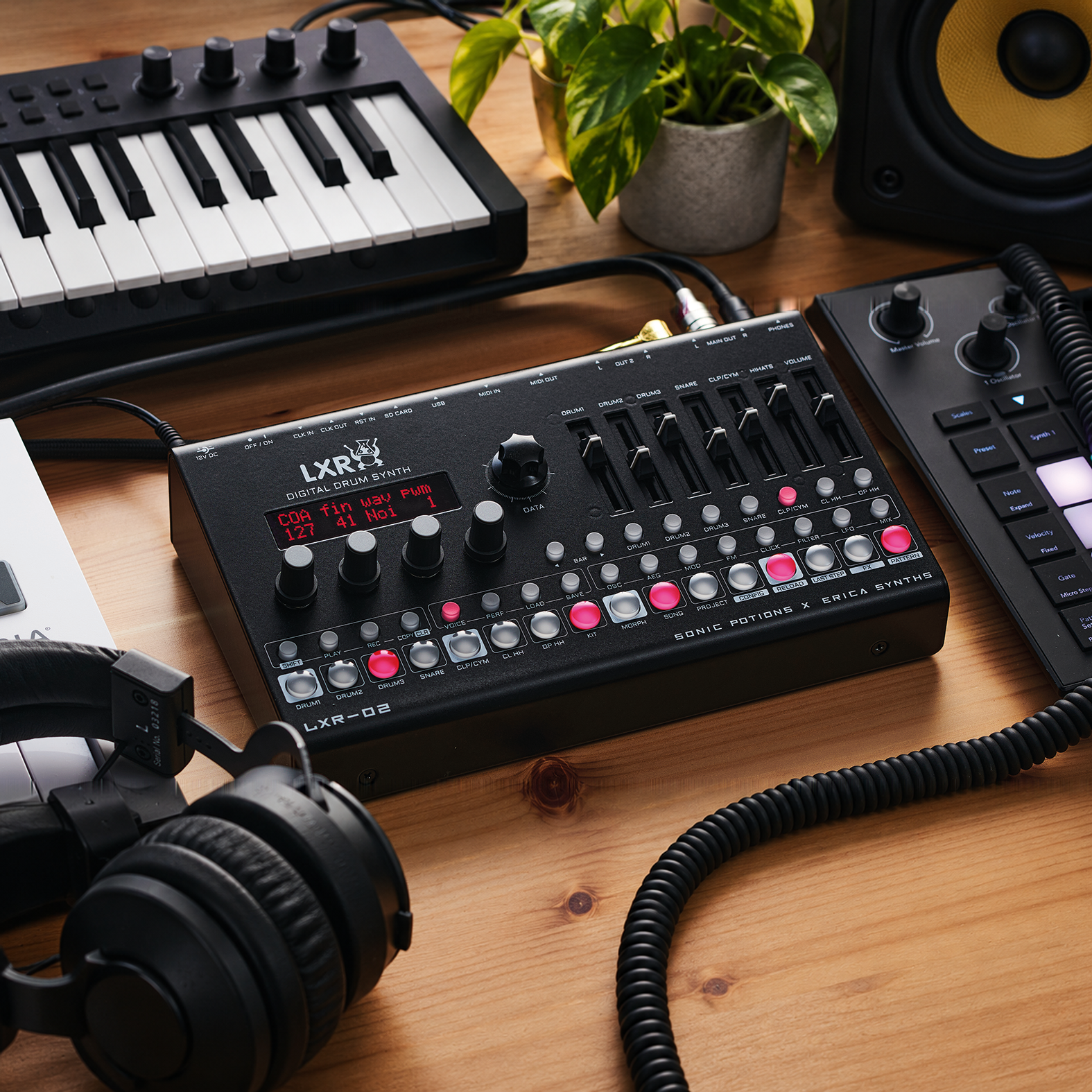
Erica Synths opened the LXR-02 firmware. The announcement on October 23rd makes the code that governs the drum machine accessible, from the percussive voices to the sequencer: musicians and developers can study it, modify it and share their interventions. The opening concerns the desktop machine software; brands and hardware are excluded from the code license.
The firmware is the internal program that translates the panel commands into instrument behaviors. Being able to read it means observing how sound generation, modulations, sequences and communication are organised. The official repository includes voices, effects buses, step sequencer, MIDI on DIN and USB, preset management on SD card and display and button interface.
The license indicated is GPL version 3. The change opens up a space for intervention for those who want to experiment with the operation of the LXR-02: a different behavior of a parameter or a sequence idea can be addressed directly in the code. From here to a new reliable function, development and checks on the machine remain. The announcement does not include a package of new, already proven musical capabilities.
It is an opening that can also concern those who do not write software. Shared projects can produce documentation, make some limitations more understandable or propose alternative behaviors. However, each modification must deal with the constraints of the device and with real-time work: the sequencer must continue to mark the time while the engine generates the percussion and responds to the commands.
Erica Synths maintains an explicit distinction in assistance. The company only supports official firmware; does not provide support for problems caused by customized versions. The original software remains available for the return to the official configuration. If an intervention damages the bootloader, the small program that manages the startup and installation of updates, the repair is subject to a fee.
The documentation describes the tools needed to compile the firmware and obtain an update file that can be installed via SD card. This procedure concerns development work, while the normal card update preserves the bootloader. The novelty of the LXR-02 therefore lies in the possibility of entering the instrument's software project. The next step belongs to the changes that will emerge: for each one, documentation, compatibility with existing projects and verifiable behavior during performance will matter.