Club culture
NO BIAS: Oakland producers build their own circuit
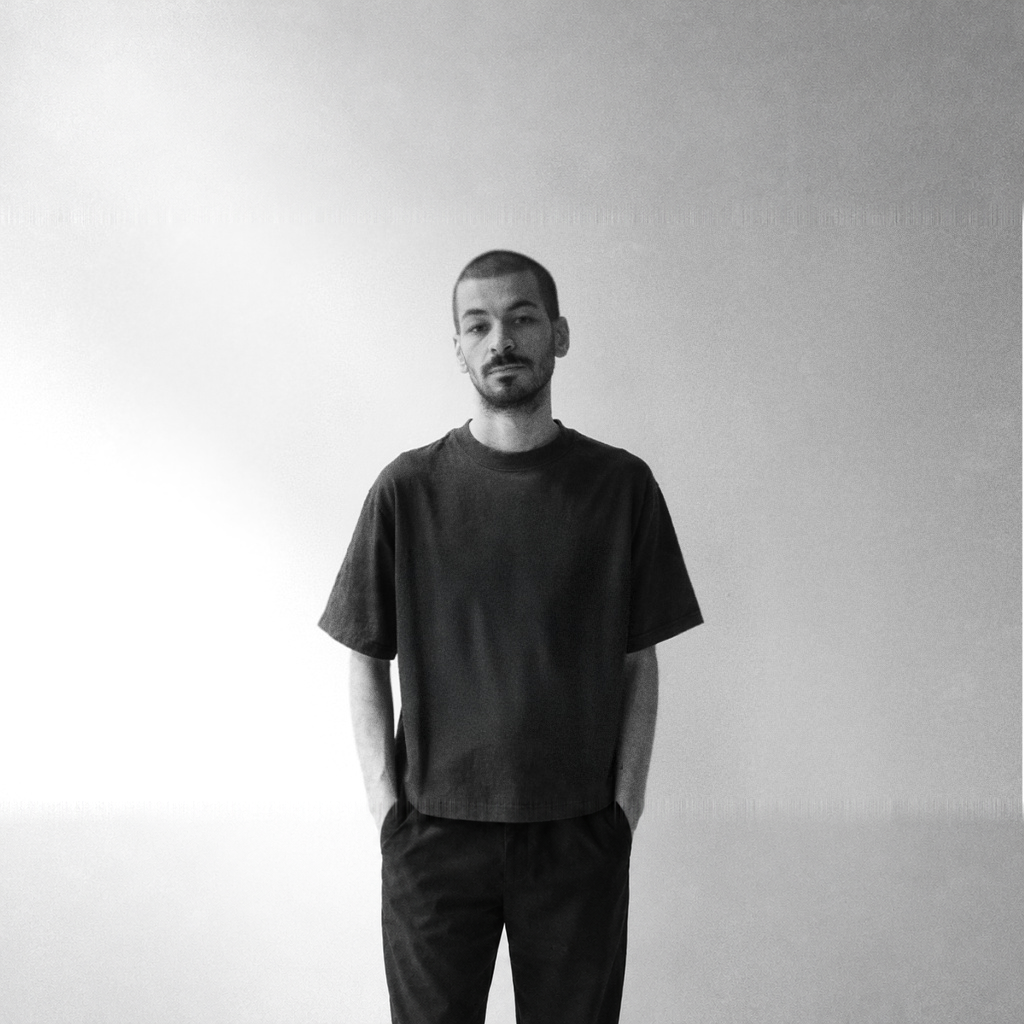
Releasing Bay Area music and bringing Oakland DJs to San Francisco clubs: this is how RITCHRD describes the work of NO BIAS in the interview released on October 26th. The label was born in 2020 for his records. It then opened up to other producers in the area and also became a party organizer. At the base there was an observation: the music existed, there were insufficient opportunities to make it circulate.
RITCHRD works in Oakland as a producer and DJ, collaborates with a local non-profit radio station and organizes events. In the interview he says he responded to the concentration of attention on a few big cities by releasing a compilation of Bay Area artists. In his experience, he responded to the lack of clubs in Oakland by bringing DJs to the venues in San Francisco.
Another choice concerns the price. RITCHRD says he wanted to organize a party with local artists, accessible economically, on the same evening as a big festival. It wasn't just a matter of lining up different names: the project was looking for an audience that could recognize itself in local music and afford to participate.
The label's network was formed by attending raves and doing radio volunteering. The meetings that occurred through Smartbomb and Lower Grand Radio led to new acquaintances and collaborations. They are concrete steps: a person introduces another person, a song finds someone who publishes it, a DJ finds an evening. Continuity arises from repeated activities, not from the announcement of a community.
RITCHRD considers the distance from big capital an impulse to build the scene independently. It is his judgment on the context in which he works, not evidence that independence has solved sustainability problems. In the interview he still mentions the situation of the spaces in Oakland among the daily difficulties. There is a lack of data on compensation, budgets and attendance that allow the economic results of NO BIAS to be measured.
The model described brings together records, radio and parties. For local producers it means being able to encounter more opportunities within the same circuit; for the public, following music through those who publish it, broadcast it and play it. The question of space remains open: a label can put a record into circulation, but it cannot replace a missing dance floor on its own.